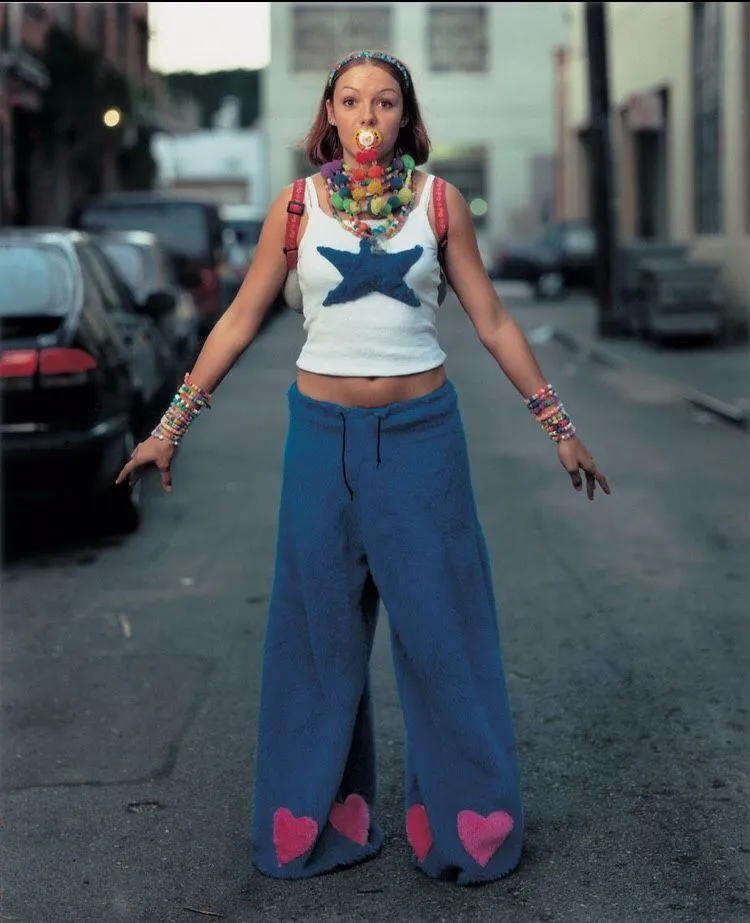
Rave
Late-80s/90s electronic dance subculture — UFO pants, neon mesh, kandi bracelets and festival-circuit rave-wear.
- Palette
- neon green hot pink electric blue yellow white holographic silver
- Signature garments
- UFO or phat pants neon mesh top crop top with reflective trim bucket hat platform sneakers or fluffy boots kandi bracelets stack
- Canonical brands
- Kikwear JNCO UFO Cyberdog iHeartRaves
About
Rave fashion grew out of the late-80s acid house and Detroit techno scenes and crystallised through the 90s into a global subcultural look — UFO and Kikwear pants with absurd leg widths, neon mesh tops, fluffy boots, kandi bracelets exchanged between dancers, smiley-face and acid motifs, bucket hats and visors. The current revival blends the 90s heritage with a festival-circuit modernisation (Coachella, Berghain, EDC), and the kandi-and-PLUR culture remains a recognisable thread. Distinct from Y2K Cyber by being subcultural rather than nightclub-fashion: Rave has its own ethics, traditions and continuity beyond the visual.
Not Y2K Cyber — Rave is dance-scene-rooted with PLUR culture and kandi tradition; Y2K Cyber is 2000-era club fashion with futurist visual references but without the rave subcultural baggage.
On platforms
Hashtags to copy, brands to know, and live listings — per platform.
651.4k active rave listings
Browse all $37Hiddengnmsbybri Vintage 90s Rave 4 Real
 $42Ngvada Vintage Rave Bandana Print Cowl
 $8S_19 Repop Vintage Black And Pink
 $45Mnnalisa657 Y2k Black Knit Sweater
 $65Locksofwold Rave After Rave Orange And
 $23Ladyovinbage Rave Vintage 90s Halter Top
 $25Ju0iterrisingfinds Vintage Y2k Rave Pink Sequins
 $12Sydney04u7 2 Piece Red Set Medium Rave
 $40Vintage Vintage 90s Rave Corset Top
 $45Ashleighthofts Vintage Rave Brown Silk Angora
 $34Jenzvytg Vintage 90s Crushed Velvet Wide
 $15Gracesmainbox White Buckle Cutout Hot Pants
Not sure if this is the right aesthetic?
Drop a photo into Style Check and the tool will name the aesthetic, return adjacent and supporting reads, and surface the canonical hashtag set in seconds.
More like this
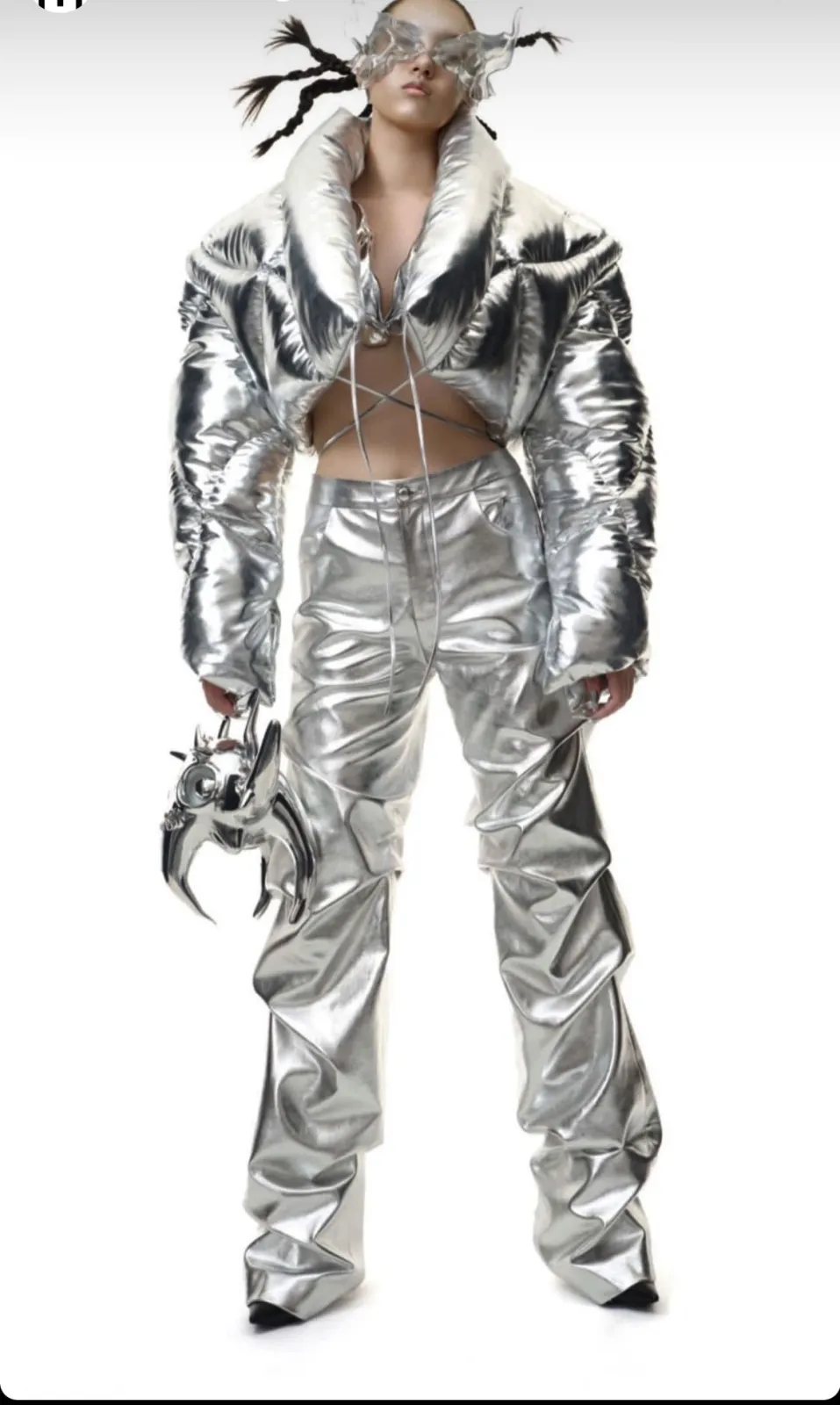
Y2K Cyber
Pre-2003 retro-futurist chrome — metallic puffers, butterfly clips, holographic accessories and Hype Williams music-video styling.
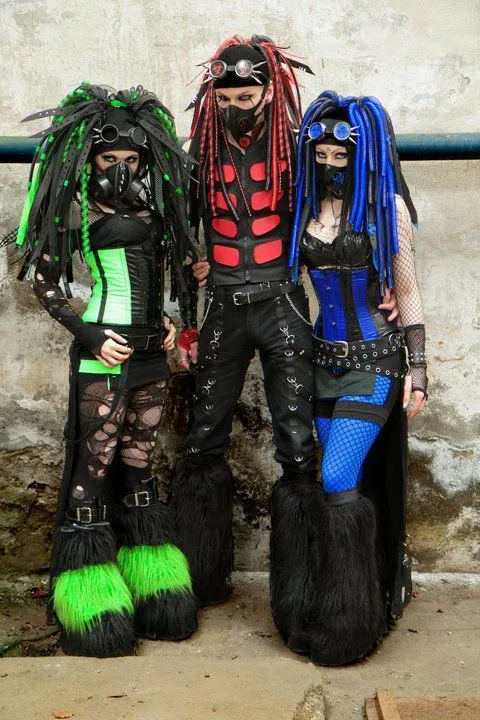
Cybergoth
Late-90s rave-meets-goth — UV-reactive neon, cyberlox synthetic dreads, gas masks, PVC and industrial-electronic styling.
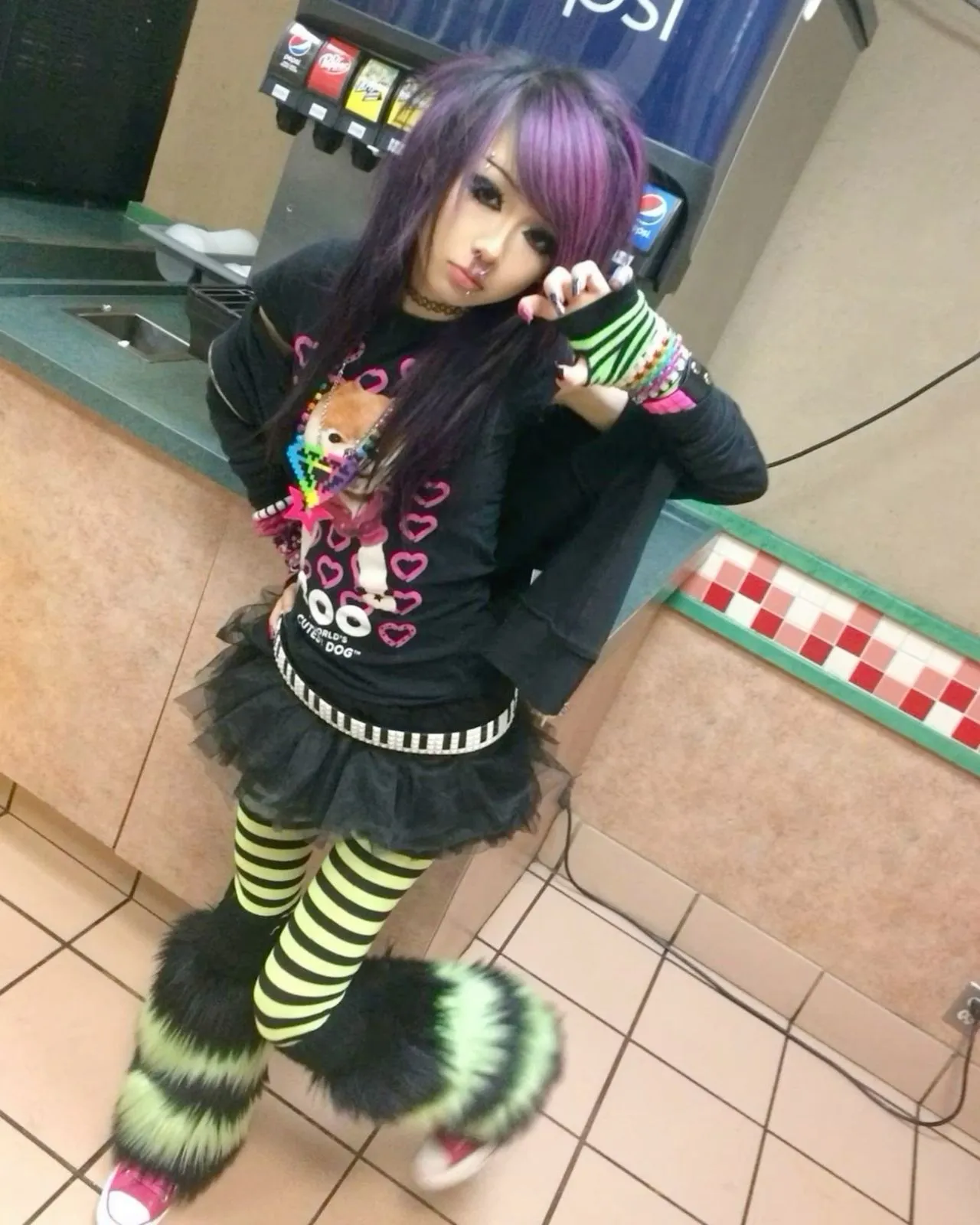
Scene
Mid-2000s emo-adjacent youth culture — teased dyed hair with neon streaks, skinny jeans, band tees and MySpace-era styling.
Spend less time on admin. More time sourcing.
Shopfront lists once across eBay, Depop, Grailed, Shopify, Facebook Marketplace and Vestiaire Collective, and keeps your inventory in sync.
Try Shopfront free